As a homeowner, you might be tempted by the apparent savings and quick turnaround of installing new asphalt shingles directly over old ones. While the idea is often marketed as an easy fix, roofing experts strongly advise against this approach. In the Springfield, TN area, with its humid summers, variable rainfall, and the occasional severe weather, the risks increase even further. Here’s a detailed look at why covering an existing roof with new asphalt shingles is not the best choice for your investment or your home’s protection.
Hidden Problems Go Unaddressed
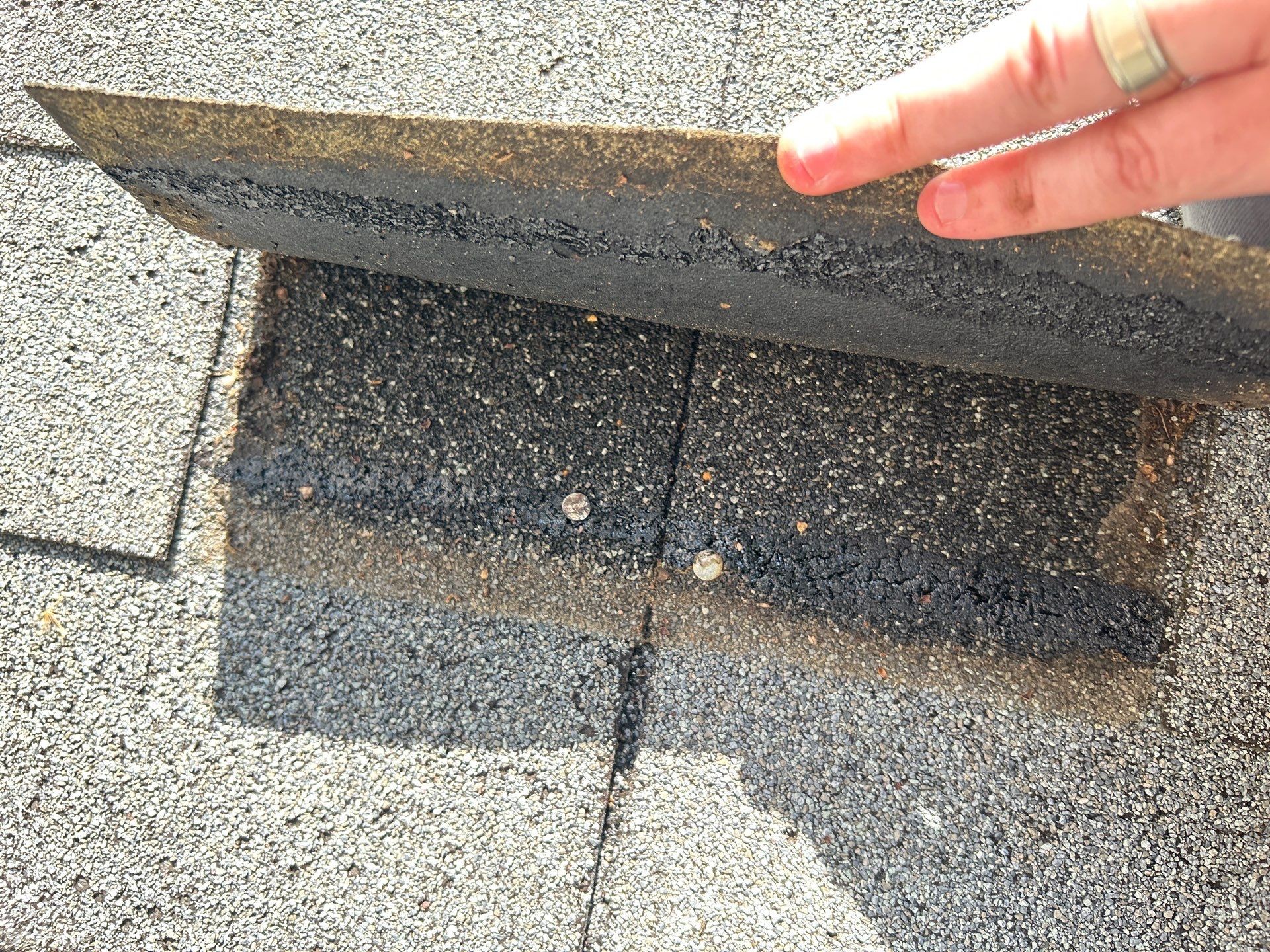
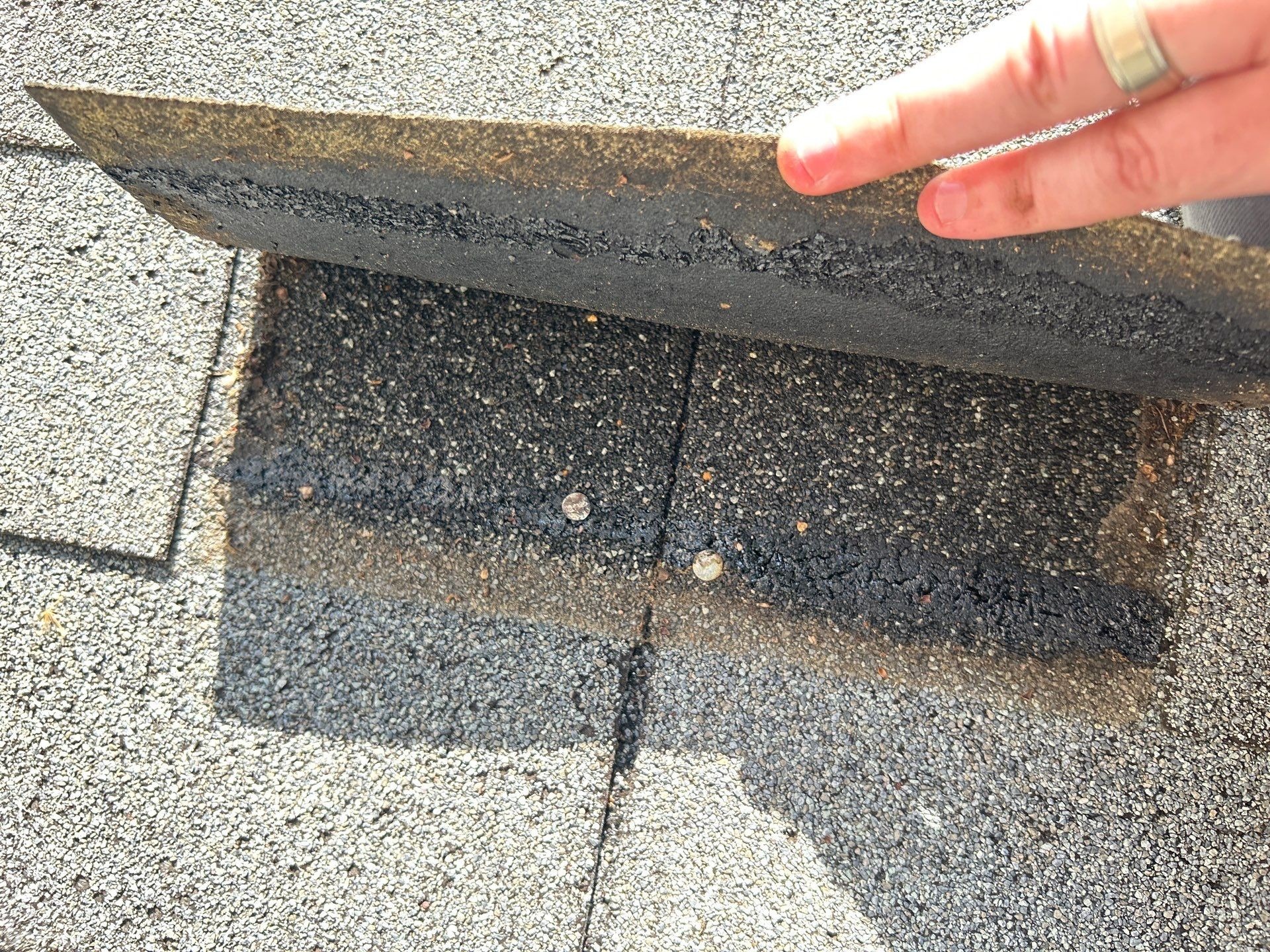
When new shingles are layered over an existing roof, any current issues with the underlying structure are concealed rather than resolved. You won’t be able to spot:
Rotting wood decking
Cracked or absent underlayment
Wet insulation or hidden leaks
Such concealed issues can quickly escalate into serious structural damage and costly repairs. Moisture, common after storms or heavy rainfall in the Springfield region, can become trapped, resulting in rapid deterioration of your roof deck. Neglecting these problems now means more significant and expensive work later.
Compromised Lifespan and Performance
Layering new asphalt shingles on top means you’re not starting with a fresh, level surface. Over time, the irregularities of the old shingles can affect the way the new ones fit and age. Furthermore, heat builds up between layers, increasing the risk of premature aging and warping. This is especially relevant in Middle Tennessee, where summer temperatures soar, placing added stress on your roofing materials. Ultimately, this shortcut can cut several years off the expected lifespan of your new roof.
Voided Warranties and Insurance Issues
Most manufacturers require shingles to be installed on a single layer for their warranty to remain valid. Failing to adhere to their guidelines will likely mean your warranty is void the moment your new shingles are nailed down. Insurance companies may also take issue with a multiple-layer roof, possibly limiting your coverage if damage occurs. This puts the responsibility and the financial burden squarely on your shoulders in the event of a claim.
Added Weight and Building Code Concerns
Roofs are engineered to bear a specific weight. Adding an extra layer of asphalt shingles puts unnecessary strain on the underlying structure. Over time, this can lead to:
Stress fractures in framing
Sagging rooflines
Even potential collapse in extreme scenarios
In Springfield and surrounding areas, local building codes typically allow for only two layers of roofing at most. If your existing roof already has multiple layers, adding another can lead to noncompliance, additional penalties, and even difficulty selling your property in the future.
Higher Energy Bills and Poor Aesthetics
Extra layers provide more than just added weight. They also increase heat retention, meaning your attic gets hotter during Tennessee’s peak summer months. This can drive up air conditioning costs and make your home less energy-efficient. Additionally, an uneven roof can hurt curb appeal, leading to a wavy or unsightly appearance that diminishes your home’s value.
Avoid Costly Mistakes with Local, Experienced Roofers
Choosing to fully remove your old shingles and professionally install a new roofing system ensures the long-term integrity, appearance, and value of your home. At My Roofing Crew, every roof replacement begins with a thorough inspection so nothing is left to chance. Our team uses high-quality asphalt shingles and offers roof replacement, roof inspections, and storm damage roof repair services tailored to weather conditions and the unique needs of properties in Springfield, TN.
Contact My Roofing Crew in Springfield, TN for a Safe, Lasting Roof
If you’re considering a new roof, don’t risk the problems that come with installing new asphalt shingles over old ones. Trust the professionals at My Roofing Crew in Springfield, TN for thorough, code-compliant roof replacement. Call 615-200-6870 or fill out the online form to schedule your free inspection and ensure your roof stands up to Tennessee’s unpredictable weather.