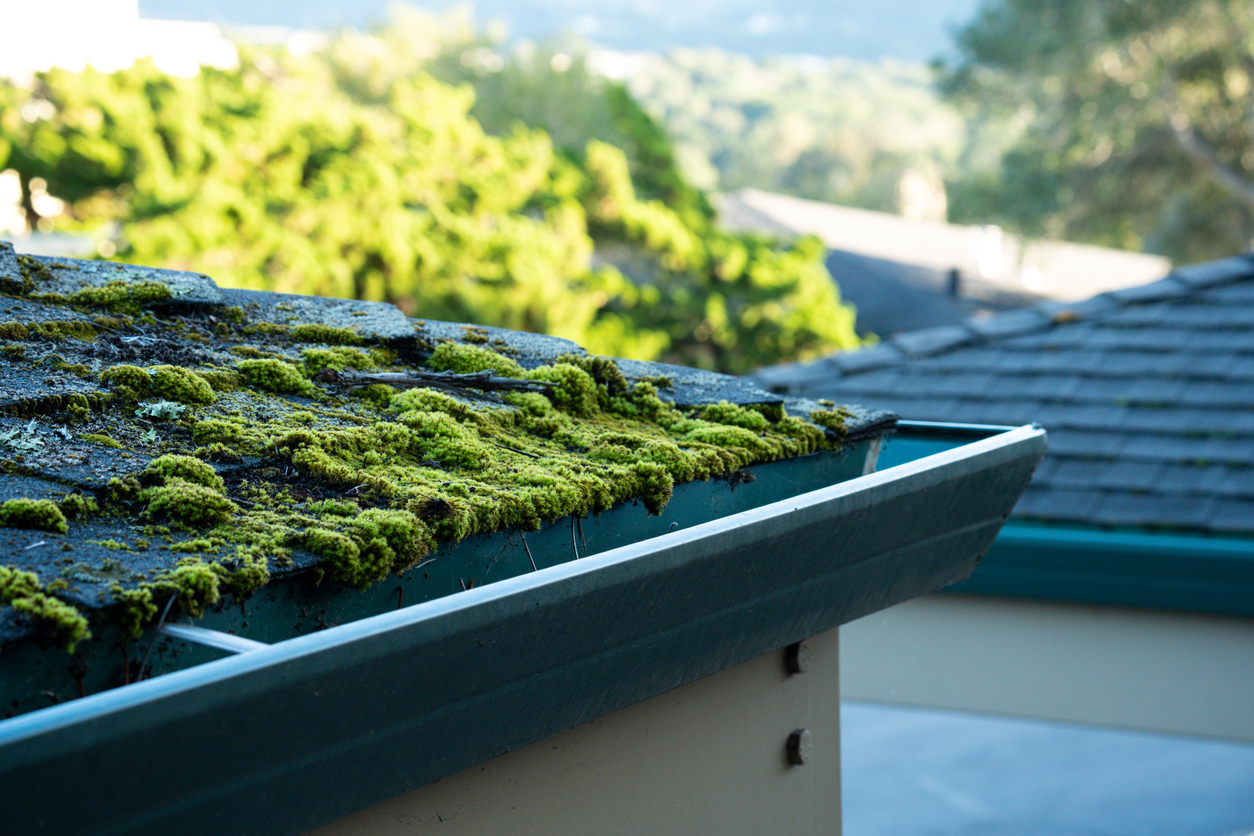
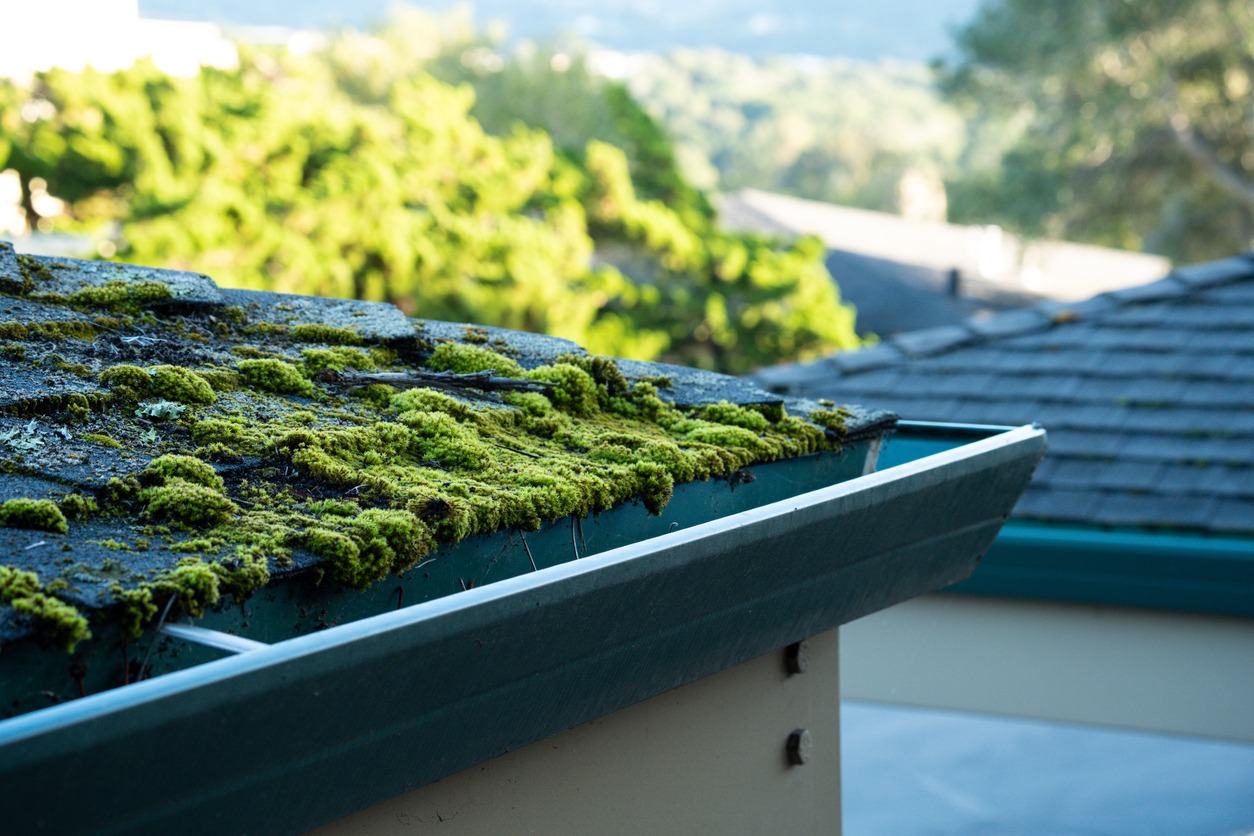
Moss growth on your roof may seem like a minor aesthetic issue at first glance, but it can present serious challenges for homeowners. If you’ve noticed patches of green or spongy growth on your shingles, it’s important to understand what moss really means for your home’s roofing system. Below, I’ll examine why moss thrives on roofs, how it can affect your roofing materials, methods of safe removal, and the best strategies for long-term prevention.
Why Does Moss Grow on My Roof?
Moss is especially common on roofs that are shaded by overhanging trees or structures and in regions with consistent moisture. In Tennessee, seasonal rainfall and humid conditions provide an environment where moss spores easily settle and flourish on roofing surfaces. The north- and west-facing sides of homes are often the most susceptible since these areas receive less direct sunlight, allowing moisture to linger.
Key factors that contribute to moss growth include:
Shade from tree canopies, reducing the roof’s exposure to sunlight
Accumulated debris like leaves, providing organic matter for moss to establish
High humidity or frequent rain, keeping roofing materials damp for extended periods
Being attentive to these conditions can help you spot early signs and address moss growth before it worsens.
Can Moss Damage Your Roof?
While moss might give surfaces a charming, rustic look, its effects on your roof are far from harmless. As moss develops, it holds and retains moisture directly against your shingles. This persistent dampness can:
Lead to premature deterioration of asphalt shingles or wooden shakes
Cause shingles to lift, curl, or separate, creating easy access points for water
Encourage the growth of mold, mold spores, and algae, further degrading roof integrity
Increase the risk of leaks that can damage underlying structures and ceilings
Cause granule loss on shingles, reducing energy efficiency and lifespan
When left untreated, moss can ultimately shorten the lifespan of your roof and result in higher costs for repair or complete replacement. Homeowners should keep in mind that many roofing system warranties require routine maintenance, and unchecked moss growth could potentially void coverage if it leads to damage.
How to Safely Remove Moss from Your Roof
Early removal of moss is crucial for protecting your roof’s integrity. DIY approaches are feasible for minor growth, but safety and prevention of roof damage should always come first.
Recommended steps for safe moss removal:
Start by using a garden hose on a gentle setting to rinse away loose moss. Never use a pressure washer, as it can dislodge shingles and strip away their protective granules.
For stubborn patches, carefully scrub with a soft-bristled brush, working from top to bottom to avoid shingle lift.
Apply a moss-killing solution made from equal parts water and vinegar or a specifically formulated, roof-safe moss remover.
Rinse thoroughly with water and allow several days for the moss to wither and be removed.
For extensive or hard-to-reach infestations, consider hiring a roof cleaning service, as professionals have the expertise and equipment to perform the job safely and effectively.
Tips for Preventing Moss from Returning
Once moss is removed, taking proactive steps can reduce the risk of it returning. Preventative measures include:
Regularly clean your gutters to avoid water overflow and buildup that encourages moss.
Trim back tree limbs to increase sunlight exposure and improve roof airflow.
Conduct annual roof inspections and cleaning to spot early signs of moss and repair minor damages.
Install zinc or copper strips along the roof ridge. As rainwater washes over these metals, it creates an environment on your roof less hospitable to moss and algae.
Consider upgrading to algae-resistant shingles during your next roof replacement, which are treated to prevent moss and algae development.
When Should You Call a Professional?
While minor moss can sometimes be managed with careful DIY attention, homeowners should seek professional assistance if:
Moss has formed dense, persistent mats across large roof areas
You notice leaks or evidence of moisture inside your home
There is visible lifting, cracking, or shifting of roofing materials
You are unsure how to proceed safely
Professionals can also identify if roof repairs or a full roof inspection are necessary to restore your home’s protection.
Contact Our Springfield, TN Roofing Specialists Today
If you are noticing moss or signs of roof deterioration at your Springfield, TN My Roofing Crew is here to help. We offer comprehensive roof cleaning service, roof inspections, and preventive solutions tailored to our local climate. Don’t wait until moss leads to expensive repair needs call our Springfield office today at 615-200-6870 or fill out our online form to schedule your roof assessment. Protect your investment and enjoy peace of mind with professional roofing care from My Roofing Crew.