

Many homeowners overlook the small but critical role that exposed fasteners play in the longevity of a roof. In areas like Middle Tennessee, where humid summers and year-round rain contribute to ideal conditions for rust, understanding how to manage rust around exposed fasteners can prevent unexpected repairs and high costs down the road. This practical guide will help you spot warning signs of rust, weigh your options, and plan ahead for a longer-lasting roof.
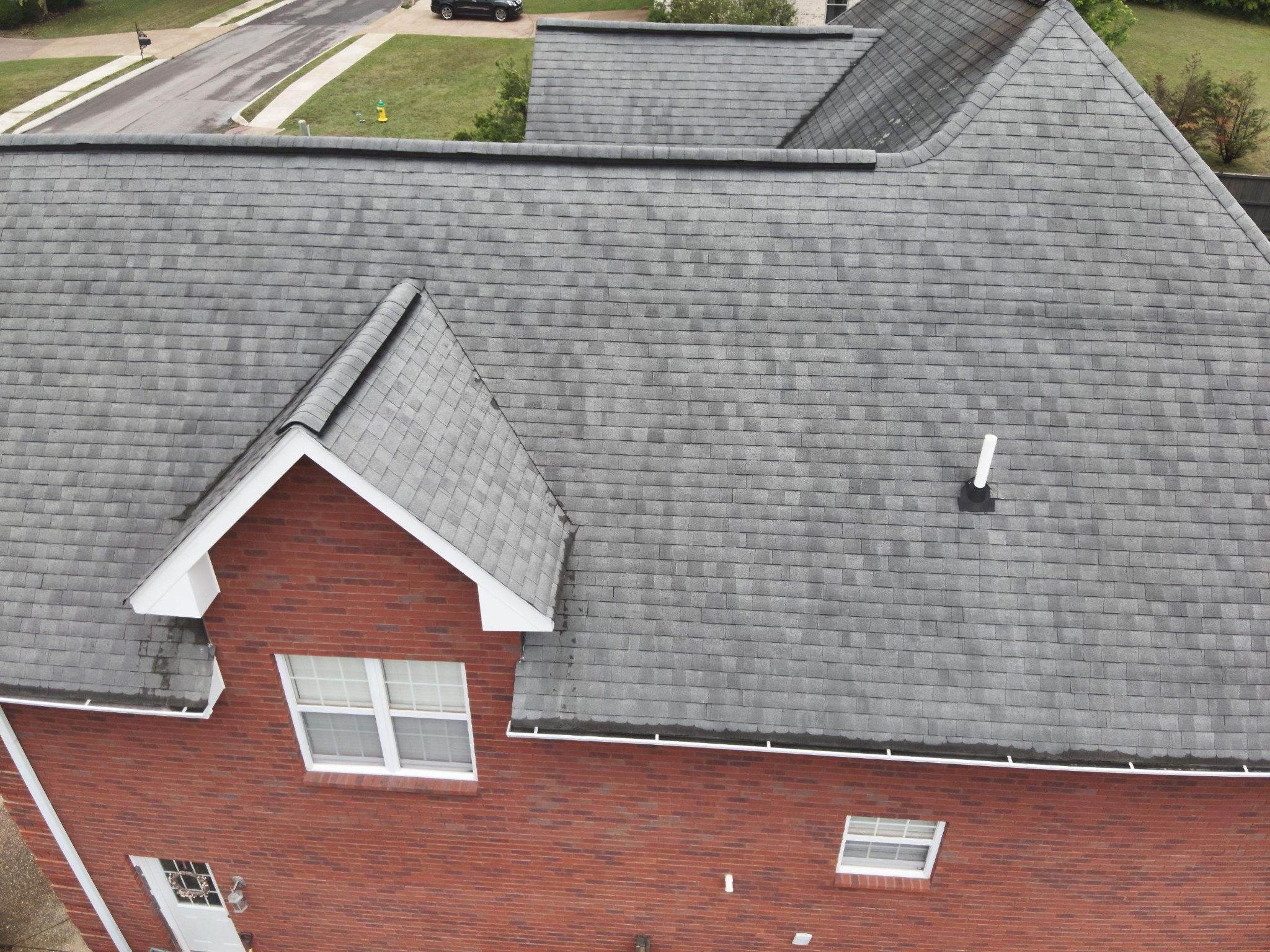
Identifying Early Warning Signs of Rust on Fasteners
Exposed fasteners are often found on metal roofs and roof accessories, as well as on attached structures like carports or sheds. When rust starts to develop, it not only threatens the fastener itself but can also lead to roof leaks and water damage. Watch for these early signs:
-
Discoloration or reddish-brown streaking around nail or screw heads
-
Flaking or bubbling of paint surrounding fastener locations
-
Small specks of orange-brown residue near seams or on the metal roof surface
Often, these signs appear after the rainy spring season in Tennessee, especially after repeated freeze-thaw cycles which speed up corrosion. Catching these issues early can help you avoid water intrusion and more expensive damage to attic insulation or the roof decking.
Options for Addressing Rust on Roof Fasteners
Once you spot rust, acting quickly is key. Your options will depend on the extent of the corrosion:
-
Minor Rust: For minimal surface rust, cleaning the affected area and applying a high-quality rust-inhibiting primer and sealant can add additional years of service life.
-
Moderate Rust: When rust is more than superficial or has begun to stain adjacent panels, it’s often necessary to replace individual fasteners or washers. This can prevent larger leaks from developing.
-
Severe Rust: Widespread rust affecting multiple fasteners or adjacent materials typically calls for professional intervention, such as a specialized roof repair or section replacement to ensure long-term protection.
Planning Considerations for Long-Term Roof Service Life
To make the most out of your investment in your roofing system, especially in the Springfield climate, you should:
-
Schedule annual roof inspections, ideally in late summer or early fall, to catch rust and other signs of wear before winter weather sets in.
-
Use only roofing products designed to withstand the local humidity and seasonal conditions, particularly fasteners with high corrosion resistance.
-
Inquire about protective roof coatings as an extra barrier, especially on older roofs or when booking a roof replacement.
Choosing a local contractor knowledgeable about Tennessee’s weather patterns means you benefit from expertise and solutions tailored to the area’s unique needs.
When Professional Roofing and Exterior Services Are Useful
There are certain situations when DIY rust management may not be enough. If you notice roof leaks, visible sagging, or clustered rust spots that seem to grow each season, professional help is often necessary. Ask your contractor about:
-
Their approach to handling rust on exposed fasteners and their replacement strategy
-
The types of fasteners and sealants they recommend for local conditions
-
Whether they offer warranties or maintenance plans on residential roofing services
Being informed and asking the right questions helps you gain peace of mind and make decisions that add years to your roof’s life.
Get Expert Roof Assessment and Rust Protection in Springfield, TN
If you suspect rust on your metal roof, don’t wait for the next rainstorm to find out if you have a leak. My Roofing Crew has extensive experience serving Springfield, TN, and implements proven solutions that extend the lifespan of your roof. For a no-obligation inspection or to discuss rust remediation and roof repair plans, call (615) 200-6870 or fill out our online form to get started today.